
Views: 0 Author: Site Editor Publish Time: 2025-11-08 Origin: Site
Ever wondered why your Capsule Filling Sealing Machine isn't sealing properly? A filling sealing machine is crucial in packaging, ensuring products are securely sealed. Proper sealing prevents leaks and maintains product integrity. In this post, you'll learn common sealing issues, troubleshooting tips, and maintenance practices to enhance machine performance and packaging quality.
When your filling sealing machine isn’t sealing properly, it usually boils down to a few common issues. Understanding these causes helps you fix the problem faster and avoid costly downtime.
Temperature plays a huge role in sealing success. If the machine’s sealing temperature is too low, the seal won’t bond well, causing leaks or weak seals. Too high, and the sealing film or tube material might burn or melt, creating holes or uneven seals.
● Low temperature: Seals feel loose or peel off easily.
● High temperature: Film scorches, wrinkles, or melts.
The ideal temperature varies depending on the tube material and sealing film. Most machines have a temperature control panel allowing you to set and monitor the heat precisely. Regular calibration ensures the temperature stays within the correct range.
If tubes aren’t positioned correctly under the sealing jaws, the machine can’t create a proper seal. Misalignment can cause incomplete seals, wrinkles, or gaps that lead to leakage.
Common reasons for misalignment include:
● Faulty or worn tube holders
● Vibration during operation
● Incorrect tube feeding settings
Misaligned tubes may also cause jams or damage to the sealing jaws over time. Regularly inspect tube holders and adjust them to keep tubes centered. Reducing machine vibrations and frequent calibration help maintain alignment.
Sealing jaws clamp and heat the tube ends to create the seal. Over time, these jaws wear down or get damaged, leading to uneven pressure or heat distribution.
Signs of worn sealing jaws:
● Uneven or incomplete seals
● Visible cracks or dents on jaws
● Frequent seal failures despite correct temperature and alignment
Replacing worn jaws promptly restores sealing quality and prevents further machine damage. Use manufacturer-approved parts to ensure compatibility and performance.
Table 1: Common Sealing Problems and Solutions
Problem | Possible Cause | Solution |
Weak or loose seal | Low sealing temperature | Increase temperature and recalibrate |
Burnt or wrinkled seal | High sealing temperature | Reduce heat to recommended level |
Incomplete or uneven seal | Tube misalignment | Adjust and center tube holders |
Frequent seal failure | Worn sealing jaws | Replace with new, manufacturer-approved jaws |
Product leakage | Overfilling or low sealing pressure | Reduce fill volume, increase sealing pressure |
When your filling sealing machine is not sealing properly, the fix often involves three key steps: calibrating the sealing temperature, realigning the tubes, and replacing worn-out components. Let’s explore each in detail.
Temperature control is crucial for a strong, leak-proof seal. If the temperature is too low, the sealing material won’t bond well, causing weak or loose seals. Too high, and the tube or film may burn or melt, ruining the seal.
To calibrate:
● Check the machine’s temperature display against a reliable thermometer.
● Adjust the temperature settings according to the tube material specifications.
● Allow the machine to stabilize at the set temperature before sealing.
● Run test seals and inspect for strength and appearance.
● Repeat adjustments if seals peel or show burn marks.
Regular calibration ensures consistent sealing quality and avoids costly product waste.
Misaligned tubes often cause incomplete or uneven seals. The tubes must sit perfectly centered under the sealing jaws to create a uniform seal.
Steps to realign tubes:
● Inspect tube holders for damage or looseness.
● Adjust holders to center tubes precisely.
● Confirm tubes feed smoothly without tilting.
● Reduce machine vibrations that can shift tubes during sealing.
● Perform frequent alignment checks during operation.
Proper alignment prevents gaps, wrinkles, and jams in the sealing process.
Sealing jaws and other parts wear over time, affecting the seal quality. Signs include uneven pressure, cracks, or frequent seal failures despite proper temperature and alignment.
To address this:
● Inspect sealing jaws regularly for wear or damage.
● Replace jaws using manufacturer-approved parts.
● Check other components such as heating elements and clamps.
● Schedule replacements proactively to avoid unexpected breakdowns.
Using quality replacement parts restores sealing performance and extends machine life.
Tube misalignment is a common culprit behind poor sealing in filling sealing machines. When tubes aren’t properly positioned, seals can be uneven, incomplete, or even cause jams. Fixing alignment issues ensures consistent, leak-proof packaging.
Tube holders keep tubes steady under the sealing jaws. Over time, they may loosen, wear out, or become damaged, causing tubes to sit off-center.
● Regular inspection: Check holders daily for cracks, looseness, or wear.
● Adjustment: Use machine controls or manual screws to center the tube precisely.
● Replacement: Swap out damaged holders promptly to avoid recurring misalignment.
Proper tube holding prevents wrinkles and gaps in seals, improving product quality.
Vibrations can shift tubes during sealing, causing misalignment mid-cycle.
● Machine placement: Install on stable, level surfaces to minimize shaking.
● Maintenance: Tighten loose parts and lubricate moving components regularly.
● Anti-vibration mounts: Consider adding dampers or pads to absorb shocks.
Less vibration means tubes stay steady, seals form evenly, and jams reduce.
Calibration ensures the machine’s mechanical parts work in harmony to feed tubes correctly.
● Schedule: Calibrate alignment systems weekly or after maintenance.
● Tools: Use precision gauges or laser alignment devices for accuracy.
● Verification: Run test cycles and inspect seals for uniformity.
Regular calibration catches drift or wear before it causes misalignment problems.
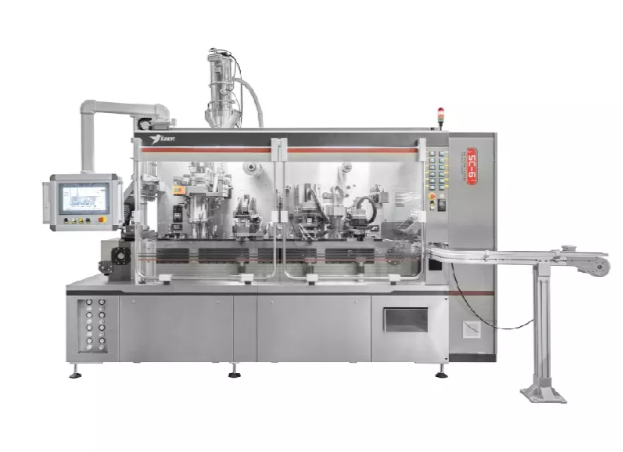
Product leakage from a filling sealing machine can cause costly waste and messy operations. Preventing leaks ensures your packaging stays secure and your product quality remains high. Here are three effective ways to stop leakage issues before they start.
Overfilling tubes is a common cause of leaks. When too much product is packed inside, it puts extra pressure on the seal, causing it to break or weaken. To prevent this:
● Adjust the filling volume settings on your automatic filling machine.
● Monitor fill levels regularly during production.
● Use precise measuring tools to maintain consistent volume.
Reducing the filling volume slightly below the tube’s maximum capacity creates space for the product to settle without stressing the seal.
Sealing pressure is critical for forming a strong bond between the tube material edges. Low pressure can result in incomplete seals that leak easily. To improve sealing pressure:
● Check and adjust the pressure settings on your sealing machine.
● Inspect the sealing jaws for wear or damage that may reduce pressure.
● Ensure the pressure is evenly applied across the entire seal area.
Be cautious not to apply excessive pressure, which could damage the tube or cause wrinkles that also lead to leaks.
The tube material quality directly impacts sealing performance. Poor-quality tubes may have inconsistencies, thin spots, or contamination that prevent proper sealing. To avoid this:
● Source tubes from reputable manufacturers.
● Inspect tubes for defects before loading them into the machine.
● Store tubes in a clean, dry environment to prevent damage.
High-quality tubes provide a smooth, uniform surface that seals reliably and protects your product.
Regular maintenance keeps your filling sealing machine running smoothly and prevents sealing problems. It ensures consistent packaging quality and reduces costly downtime. Here are the key maintenance tasks to focus on:
Start each day by inspecting your machine before production. Check for:
● Cleanliness: Remove residue or product buildup around sealing jaws and filling nozzles.
● Sealing jaws: Look for cracks, dents, or wear signs.
● Tube holders: Ensure they are tight and properly aligned.
● Temperature settings: Verify the sealing temperature matches recommended values.
● Moving parts: Check for unusual noises or vibrations.
Daily inspections help catch minor issues early, avoiding bigger problems later.
Beyond daily checks, schedule regular servicing based on manufacturer guidelines or machine usage. Servicing includes:
● Deep cleaning of internal components and heating elements.
● Replacing worn sealing jaws or tube holders.
● Calibrating temperature controls and alignment systems.
● Lubricating moving parts to reduce friction and wear.
● Checking electrical connections and sensors.
Professional servicing ensures your machine operates at peak performance and extends its lifespan.
Well-trained operators play a vital role in machine maintenance and performance. Provide training on:
● Correct machine startup and shutdown procedures.
● How to perform daily inspections and basic troubleshooting.
● Proper handling of tubes and sealing materials.
● Recognizing signs of wear or malfunction.
● Following safety protocols during maintenance.
Trained operators reduce human error and help maintain consistent sealing quality.
Maintaining your filling sealing machine properly brings many advantages. It keeps your production line running smoothly and boosts your business’s bottom line.
A well-maintained machine works faster and with fewer interruptions. When all parts function correctly, sealing happens consistently, reducing downtime caused by repairs or adjustments. This means you can produce more packages in less time, meeting demand without delays.
● Smooth operation prevents jams and errors.
● Accurate sealing reduces waste from defective packages.
● Consistent output helps keep production schedules on track.
Regular upkeep saves money over time. Fixing small issues early prevents major breakdowns that require expensive repairs or part replacements. Also, efficient machines use less energy and materials, cutting operating costs.
● Avoid costly emergency repairs by scheduling maintenance.
● Extend the lifespan of components such as sealing jaws and heaters.
● Reduce product loss caused by poor seals or leaks.
Proper maintenance ensures every package is sealed securely, protecting the product inside. Strong seals prevent contamination, leakage, and spoilage, which keeps customers happy and builds brand trust.
● Uniform seals improve the package’s appearance and durability.
● Prevents product spoilage and contamination.
● Enhances shelf life and customer satisfaction.
Understanding the common causes of sealing failures, such as incorrect temperature, misalignment, and worn components, is crucial. Regular maintenance helps prevent these issues, ensuring optimal machine performance. A well-maintained filling sealing machine, like those from SUNYI, enhances efficiency, reduces costs, and ensures high-quality packaging. Investing in SUNYI's reliable machines guarantees consistent sealing, boosting productivity and customer satisfaction.
A: A filling sealing machine is equipment used to fill and seal products in containers or tubes. It ensures secure packaging, preventing leaks and maintaining product quality.
A: Common causes include incorrect sealing temperature, misaligned tubes, and worn-out sealing jaws. Regular calibration and maintenance can help resolve these issues.
A: Check and calibrate the sealing temperature, realign tubes, and replace worn-out components. Regular inspections help maintain optimal sealing performance.
A: Proper maintenance improves efficiency, reduces costs, and ensures better product quality by preventing leaks and contamination.


