
Views: 0 Author: Site Editor Publish Time: 2025-11-19 Origin: Site
In today's fast-paced manufacturing world, efficiency is key. Have you ever considered how an Automatic Filling and Sealing Machine could revolutionize your production line? These machines streamline processes, ensuring precision and speed. In this post, you'll learn about their crucial role in modern manufacturing, enhancing productivity and ensuring cost-effectiveness. Discover how these machines can transform your operations and maintain high standards of quality and safety.
Filling and sealing machines bring a host of advantages that transform manufacturing processes. Here are some key benefits:
Benefit Category | Description | Key Impact |
Automation | Fully automates filling and sealing to reduce manual labor and human error. | Increases consistency and speed |
Multifunctionality | Adapts to various container sizes and materials. | Enhances flexibility and efficiency |
Productivity | Processes hundreds of units per minute with high precision. | Boosts output and meets high demand |
Cost-Effectiveness | Lowers labor costs and minimizes product waste. | Improves profitability |
Hygiene & Safety | Minimizes contamination with enclosed systems and sanitary designs. | Ensures product quality and compliance |
These machines automate the entire filling and sealing operation. You set the parameters once on the control panel, then the machine runs the process by itself. This automation reduces the need for manual labor, minimizes human error, and ensures consistent results. It also frees up workers to focus on other tasks, improving overall workflow efficiency.
Automation means the machine can handle repetitive tasks tirelessly and precisely. Whether filling liquids, powders, or granules, the system uses sensors and controls to maintain accuracy every time. This reduces product waste and guarantees uniform packaging, which is crucial for customer satisfaction and regulatory compliance.
Modern filling and sealing machines come with versatile features. They can adjust to different container sizes, shapes, and materials. For example, they handle bags, bottles, tubes, or pouches without needing separate equipment. This flexibility allows businesses to package various products using one machine, saving space and investment costs.
Many machines include automatic inspection systems. They detect defective or missing packaging and stop the process to prevent waste. Some can switch between sealing methods—heat sealing, ultrasonic, or screw sealing—based on product needs. This multifunctionality enhances adaptability and reduces downtime during production changes.
By combining speed, precision, and automation, these machines significantly boost productivity. They operate faster than manual filling and sealing, often processing hundreds of units per minute. This rapid pace helps manufacturers meet high demand and tight deadlines.
Since the machines reduce manual intervention, fewer workers are needed on the production line. This cuts labor costs and lowers the risk of workplace injuries associated with repetitive tasks. Additionally, the consistent quality output reduces product returns and complaints, indirectly saving time and resources.
In summary, filling and sealing machines streamline production, handle multiple packaging types, and increase output efficiently. They are a smart investment for companies aiming to improve their manufacturing processes and product quality.
Filling and sealing machines excel in speeding up production while maintaining high accuracy. They fill containers quickly and precisely, reducing errors and product waste.
These machines use advanced measuring systems to fill containers at a fast pace. The filling speed can be adjusted to suit different products, ensuring the right amount goes into each container every time. This accuracy prevents overfilling or underfilling, which can cause customer dissatisfaction or financial loss. For example, a liquid filling machine might fill hundreds of bottles per minute, each with the exact volume specified.
Sensors and control systems constantly monitor the filling process. If a container is missing or defective, the machine stops automatically to avoid wasting product. This feature keeps production smooth and efficient, minimizing downtime and material loss.
Once filled, containers move quickly to the sealing station. The sealing speed matches the filling speed to keep the production line flowing without bottlenecks. Modern machines offer various sealing methods, such as heat sealing, ultrasonic sealing, or screw sealing, depending on the product and packaging type.
Sealing quality is critical for product safety and shelf life. These machines control sealing temperature, pressure, and time precisely to create strong, reliable seals. Additionally, many machines include inspection systems that check seal integrity and reject faulty packages immediately.
The combination of fast filling and sealing ensures a high output rate while maintaining consistent product quality. This efficiency is vital for manufacturers facing tight deadlines or large order volumes.
Filling and sealing machines offer significant cost savings that make them a smart investment for manufacturers. Two main factors contribute to their cost-effectiveness: reduction in labor costs and minimization of product wastage.
Automating the filling and sealing process means fewer workers are needed on the production line. Since the machine handles repetitive and precise tasks, companies can reduce labor expenses without sacrificing output quality. This automation also lowers the risk of injuries related to manual packaging work, which can lead to additional costs such as workers’ compensation and downtime.
By freeing employees from tedious tasks, businesses can reassign them to more complex roles. This improves workforce efficiency and maximizes the value of human resources. Over time, the savings on wages and benefits add up, making filling and sealing machines an economical choice.
Precision is a hallmark of filling and sealing machines. They dispense exact amounts of product into containers, preventing overfilling or underfilling. This accuracy reduces the amount of product wasted during packaging, which directly impacts material costs.
Moreover, these machines detect packaging defects early. If a container is missing or damaged, the machine stops the process to avoid wasting product on faulty packaging. This feature ensures that only good-quality products reach customers, reducing returns and complaints.
By minimizing product loss and ensuring consistent packaging, these machines help manufacturers save money on raw materials and improve overall profitability.
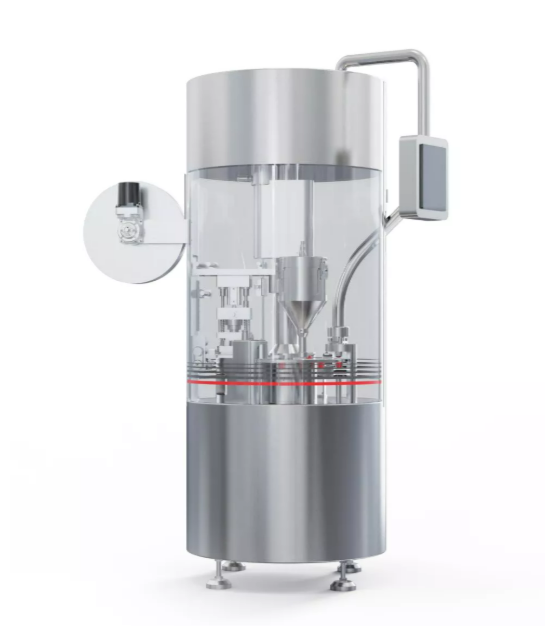
Maintaining hygiene and safety during the filling and sealing process is crucial for manufacturers. Filling and sealing machines play a vital role in reducing contamination risks and ensuring compliance with industry standards.
Automated filling and sealing machines minimize human contact with products. This decreases the chances of contamination from operators, which is especially important in food, pharmaceutical, and cosmetic industries. Since the entire process is enclosed and controlled, the product remains protected from dust, bacteria, and other contaminants.
These machines often feature sanitary designs made from stainless steel or other easy-to-clean materials. Smooth surfaces, minimal joints, and sealed components prevent product buildup and make cleaning faster and more thorough. Regular cleaning cycles and CIP (clean-in-place) systems are common in advanced models to maintain hygiene without disassembling the machine.
By reducing manual handling, machines also lower the risk of cross-contamination between batches. This is essential for companies producing allergen-sensitive or sterile products. Overall, automated filling and sealing enhance product safety and quality, leading to higher customer trust.
Filling and sealing machines help manufacturers meet strict hygiene and safety regulations. Many industries require adherence to standards such as FDA, GMP, ISO, or HACCP. These standards ensure products are safe for consumers and that production environments maintain cleanliness.
Modern machines are designed to comply with these regulations. They include features like traceability systems, automated quality checks, and documentation capabilities to support audits. By using certified equipment, companies can avoid costly recalls and legal issues.
Moreover, machines with precise control over filling and sealing parameters prevent contamination caused by leaks, spills, or improper sealing. Consistent sealing protects products from external factors like moisture and air, extending shelf life and maintaining safety.
In summary, filling and sealing machines provide a hygienic packaging solution that safeguards product integrity and helps manufacturers comply with essential industry standards.
Filling and sealing machines stand out for their versatility and adaptability, making them essential in diverse manufacturing settings. Their ability to handle various product types and container formats ensures they meet the evolving needs of modern production lines.
These machines can process a wide range of products, including liquids, powders, granules, pastes, and semi-solids. Whether it's a thin liquid like juice or a thick paste like cream, the machine’s filling mechanisms adjust to maintain accuracy and prevent spillage. For example, some machines use piston fillers for viscous products, while others employ gravity or vacuum fillers for thinner liquids. This flexibility eliminates the need for multiple machines and simplifies product changeovers.
Additionally, advanced models can switch between different product types quickly, reducing downtime. This capability is vital for manufacturers producing seasonal or limited-edition products. It also supports businesses that diversify their product lines without making significant equipment investments.
Filling and sealing machines accommodate various container shapes, sizes, and materials. They can fill and seal bottles, pouches, tubes, jars, and bags made from plastic, glass, aluminum, or laminated materials. The machines often feature adjustable holders, guides, and sealing heads to fit different container profiles securely.
For instance, a machine might handle small sachets for single-use products and larger pouches for bulk packaging. Some machines include quick-changeover parts, allowing operators to swap container-specific components in minutes. This adaptability helps manufacturers respond swiftly to market demands and packaging trends.
Moreover, these machines support multiple sealing methods—heat sealing, ultrasonic sealing, induction sealing, or screw capping—depending on container type and product requirements. This versatility ensures a secure seal that preserves product freshness and prevents leaks.
Selecting the ideal filling and sealing machine requires a clear understanding of your product and production needs. Making the right choice ensures efficiency, quality, and cost savings.
First, know your product's unique characteristics. Is it a liquid, powder, paste, or granule? Each product type demands specific filling technology. For example, viscous creams need piston fillers, while thin liquids work better with gravity or vacuum fillers. Also, consider product sensitivity to temperature or exposure. Some products require gentle handling to avoid damage or spoilage during filling.
Next, think about container types. Are you using bottles, pouches, tubes, or jars? The machine must be compatible with your packaging materials and shapes. For instance, sealing methods vary: heat sealing fits plastic pouches, while screw capping suits bottles. Ensure the machine supports your container sizes and materials to avoid costly adjustments later.
Also, evaluate the required filling volume and accuracy. High precision is critical in pharmaceuticals or cosmetics to maintain product consistency. Machines with advanced sensors and programmable controls can deliver this accuracy. In contrast, food products might allow for a bit more flexibility but still benefit from precise filling to reduce waste.
Consider your production volume and speed requirements. If you need to fill thousands of units daily, choose a machine with high throughput and fast cycle times. Machines with multiple filling heads or nozzles can boost output significantly.
Flexibility matters too. If you plan to produce different products or package types, pick a machine that can switch formats quickly. Features like adjustable holders and quick-change parts minimize downtime during product changeovers.
Budget is another key factor. While advanced machines might have higher upfront costs, they often save money over time by reducing labor and waste. Balance your immediate investment with long-term operational savings.
Finally, think about maintenance and ease of use. Machines with user-friendly interfaces and easy cleaning processes reduce operator errors and downtime. This is especially important for products requiring strict hygiene standards.
Filling and sealing machines offer numerous advantages, including automation, multifunctionality, enhanced productivity, and cost-effectiveness. These benefits streamline production, improve product quality, and ensure hygiene and safety. As technology advances, future trends may include even greater adaptability and efficiency in filling and sealing processes. Companies like SUNYI provide state-of-the-art machines that deliver exceptional value by reducing labor costs and minimizing product wastage, making them an excellent investment for manufacturers seeking to optimize their operations.
A: A filling sealing machine is equipment designed to automate the process of filling containers with products and sealing them to ensure product safety and integrity.
A: An Automatic Filling and Sealing Machine enhances production efficiency by reducing manual labor, minimizing human error, and ensuring consistent, high-speed output.
A: Investing in a filling sealing machine offers benefits like reduced labor costs, minimized product waste, enhanced productivity, and improved product quality.
A: The cost benefits include decreased labor expenses and reduced product wastage due to precise filling and sealing, leading to overall cost savings.
A: Yes, filling sealing machines are versatile and can accommodate various container shapes, sizes, and materials, making them adaptable to diverse packaging needs.


